The art of dry-aging beef has long been revered by chefs and steak enthusiasts alike, but the science behind it remains a fascinating subject of culinary exploration. One of the most intriguing aspects of this process is proteolysis—the breakdown of proteins by enzymes—which occurs over an extended period, typically 72 hours or more. This biochemical transformation is responsible for the tender texture and concentrated flavor that define a perfectly dry-aged steak.
When a cut of beef is subjected to dry-aging, it undergoes a series of complex changes at the cellular level. The meat's natural enzymes, particularly calpains and cathepsins, begin to break down muscle fibers and connective tissues. Over the course of 72 hours, these enzymes work relentlessly, cleaving long protein chains into smaller peptides and free amino acids. This degradation softens the meat's structure while simultaneously unlocking umami-rich compounds that contribute to its depth of flavor.
The environment in which dry-aging takes place plays a crucial role in facilitating proteolysis. Temperature and humidity must be carefully controlled to encourage enzymatic activity without promoting bacterial spoilage. A temperature range of 34–38°F (1–3°C) is ideal, as it slows microbial growth while allowing the meat's endogenous enzymes to remain active. Humidity levels around 75–80% prevent excessive moisture loss, ensuring the steak retains its juiciness even as it concentrates in flavor.
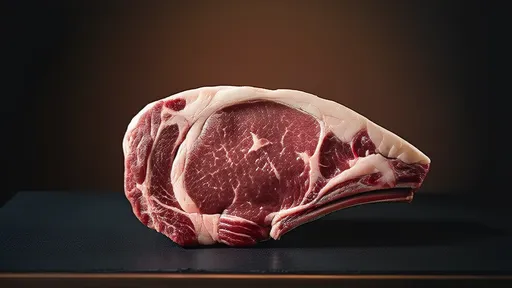
As proteolysis progresses, the steak's texture undergoes a remarkable transformation. The once-taut muscle fibers gradually loosen, resulting in a buttery tenderness that can't be achieved through conventional wet-aging methods. Connective tissues like collagen break down into gelatin, further contributing to the meat's melt-in-your-mouth quality. This enzymatic breakdown is what distinguishes dry-aged beef from its fresher counterparts—it's not merely a matter of dehydration, but a fundamental restructuring of the meat's architecture.
Flavor development during the 72-hour dry-aging process is equally fascinating. As proteins break down, they release free amino acids such as glutamic acid, which is responsible for the savory umami taste characteristic of well-aged beef. Simultaneously, the concentration of flavor compounds intensifies as moisture evaporates from the meat's surface. This dual process of enzymatic action and controlled dehydration creates a flavor profile that's both complex and robust, with nutty, almost cheese-like notes that aficionados prize.
The exterior of a dry-aged steak develops a hard crust called the pellicle during the aging process. This layer forms as the meat's surface dehydrates and undergoes oxidation. While the pellicle is typically trimmed away before cooking, its formation is an important indicator of proper aging conditions. Beneath this protective barrier, the interior meat continues its enzymatic transformation, safe from excessive bacterial contamination while developing its signature texture and taste.
Chefs who specialize in dry-aged beef often speak of the 72-hour mark as a critical point in the process. At this stage, proteolysis has sufficiently broken down tough muscle fibers to produce noticeable tenderness, while the flavor concentration reaches an ideal balance between freshness and aged complexity. While some purists advocate for longer aging periods—up to several weeks—the 72-hour benchmark offers a perfect introduction to dry-aged characteristics without venturing into the more intense flavors of extended aging.
The difference between dry-aged and wet-aged beef becomes strikingly apparent when examining their respective textures. Wet-aged beef, which is vacuum-sealed in plastic, undergoes some enzymatic tenderization but lacks the concentrated flavor and distinctive texture of its dry-aged counterpart. The controlled exposure to air during dry-aging allows for more complex biochemical interactions, including the development of those coveted nutty, earthy flavors that make dry-aged steaks so special.
From a culinary perspective, the textural changes brought about by 72 hours of proteolysis significantly impact how the steak should be cooked. The increased tenderness means the meat requires less time on the grill or in the pan to reach optimal doneness. Many chefs recommend cooking dry-aged steaks at slightly lower temperatures than fresh cuts to prevent overcooking the now more delicate protein structure. This careful approach preserves the results of those 72 hours of enzymatic labor, delivering a steak that's tender, flavorful, and truly memorable.
As consumers become more educated about dry-aging techniques, demand for properly aged beef continues to grow. The 72-hour dry-aged steak represents an excellent middle ground—offering enough time for significant proteolytic changes to occur while remaining accessible to those new to aged beef. Steakhouses and butcher shops that offer this option provide customers with an opportunity to experience the magic of enzymatic transformation without committing to the more intense flavors of longer aging periods.
The science behind dry-aging reveals why this ancient preservation method has endured into the modern culinary world. It's not merely about extending shelf life, but about harnessing natural biochemical processes to create something greater than the sum of its parts. The 72-hour dry-aged steak stands as testament to this alchemy—where time, temperature, and enzymes conspire to turn ordinary beef into an extraordinary dining experience.
By /Jul 17, 2025
By /Jul 17, 2025
By /Jul 17, 2025
By /Jul 17, 2025
By /Jul 17, 2025
By /Jul 17, 2025
By /Jul 17, 2025
By /Jul 17, 2025
By /Jul 17, 2025
By /Jul 17, 2025

By /Jul 17, 2025
By /Jul 17, 2025
By /Jul 17, 2025
By /Jul 17, 2025
By /Jul 17, 2025
By /Jul 17, 2025
By /Jul 17, 2025
By /Jul 17, 2025
