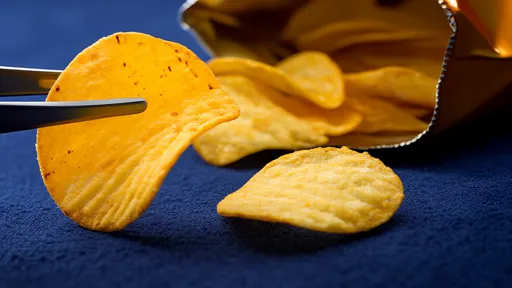
The crisp, sharp sound of a chip breaking between your teeth isn’t just noise—it’s a symphony of sensory satisfaction. Researchers have pinpointed the magic number: 1800Hz. At this frequency, the crunch of a potato chip hits the sweet spot for human pleasure, triggering a cascade of neurological rewards that make snacking irresistible. But why does this specific frequency captivate us so deeply? The answer lies at the intersection of biology, psychology, and food science.
From the moment our ancestors first crushed nuts or roasted tubers over a fire, humans have been hardwired to associate crisp sounds with freshness and quality. A soggy chip isn’t just a textural failure—it’s a betrayal of expectations, silent where it should sing. Studies using electromyography reveal that muscles in the jaw and ears tense subtly in anticipation of that perfect 1800Hz crack, priming the brain for dopamine release before the flavor even registers. Food engineers now treat sound as a quantifiable ingredient, tweaking frying times and oil viscosity to hit this auditory bullseye.
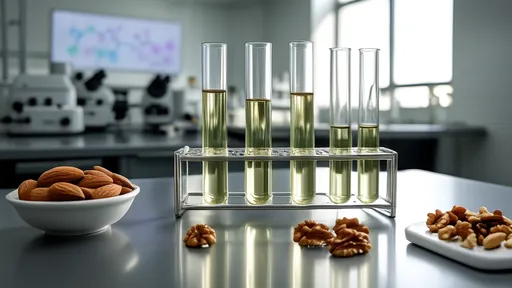
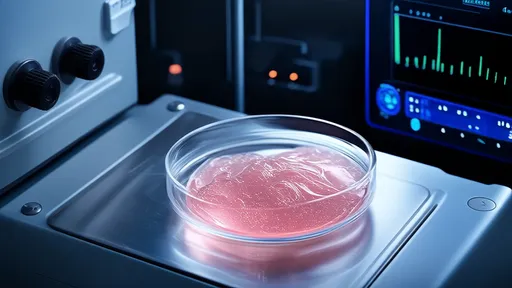
The pursuit of the ideal crunch has spawned laboratory setups worthy of a sci-fi film. High-speed cameras capture chips fracturing at 4,000 frames per second while hydrophones submerged in artificial saliva measure sound waves transmitted through the jawbone. What emerges is counterintuitive: the best chips don’t produce the loudest cracks, but rather a precise mid-range frequency that avoids the harshness of higher pitches (think biting into an overbaked cracker) or the dull thud of stale snacks. This Goldilocks zone of crispness explains why certain brands dominate markets despite near-identical ingredient lists.
Cultural variations add fascinating wrinkles to the crunch phenomenon. British consumers prefer slightly lower frequencies around 1650Hz for their thicker-cut crisps, while Japanese snackers favor ultra-thin chips that shatter at 2100Hz—a difference traceable to childhood exposure to traditional foods like tempura versus fish and chips. Marketing teams exploit these nuances, with one multinational testing 37 versions of the same chip to match regional sound preferences. The global snack industry’s secret weapon? Binaural recording technology that simulates how crunch sounds propagate inside a human skull rather than through air.
Neuroscientists have mapped how the 1800Hz crunch creates a multisensory illusion. The sound’s duration—ideally between 0.1 to 0.3 seconds—tricks the brain into perceiving greater freshness than taste buds alone would report. MRI scans show the auditory cortex lighting up before signals reach the taste centers, essentially "pre-seasoning" our perception of flavor. This explains why identical chips taste superior when subjects hear the crunch through headphones versus eating in noisy environments. Some avant-garde restaurants now serve crispy dishes with amplified crunch soundtracks.
Climate-controlled "acoustic snack chambers" have become the new frontier in product development. By eliminating ambient noise, engineers can isolate how packaging materials affect perceived crispness—a chip bag’s rustle can elevate or ruin the experience. One breakthrough involved microperforating bags to release air slowly, preserving the 1800Hz signature for weeks after opening. Meanwhile, home cooks are embracing "crunch calibration" through smartphone apps that analyze frying sounds, suggesting optimal cooking times to achieve professional-grade acoustics.
The next generation of snacks may adapt their crunch in real time. Experimental edible coatings containing piezoelectric crystals could theoretically adjust fracture sounds based on bite pressure, potentially creating customizable frequency experiences. As augmented reality glasses evolve, we might see visual crunch amplifiers overlaying snack foods with soundwave graphics. Whatever the future holds, one truth remains: the quest for the perfect crisp isn’t just about taste—it’s about creating edible music where every bite plays the right note.
By /Jul 17, 2025
By /Jul 17, 2025
By /Jul 17, 2025
By /Jul 17, 2025
By /Jul 17, 2025
By /Jul 17, 2025
By /Jul 17, 2025

By /Jul 17, 2025
By /Jul 17, 2025
By /Jul 17, 2025

By /Jul 17, 2025
By /Jul 17, 2025
By /Jul 17, 2025
By /Jul 17, 2025

By /Jul 17, 2025
By /Jul 17, 2025
By /Jul 17, 2025
By /Jul 17, 2025
