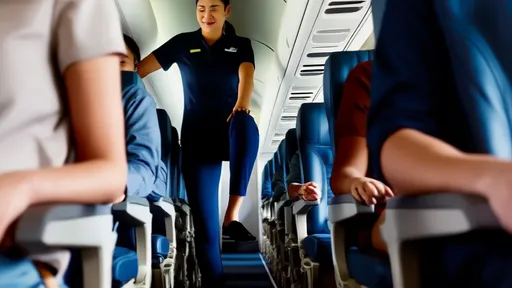
For frequent flyers and those embarking on long-haul journeys, the risk of developing venous issues such as varicose veins or deep vein thrombosis (DVT) is a genuine concern. Remaining seated for extended periods can impede blood circulation, particularly in the lower extremities. However, simple in-flight exercises designed to promote venous health can significantly reduce these risks. These movements are easy to perform even in the confined space of an airplane seat and require no special equipment.
The human body relies on movement to assist blood flow, especially from the legs back to the heart. Prolonged immobility during flights can cause blood to pool in the veins, increasing pressure and potentially leading to discomfort or more serious conditions. The exercises recommended for venous health focus on activating the calf muscles, which act as natural pumps to help push blood upward. Gentle ankle rotations, foot pumps, and seated leg lifts are among the most effective techniques to keep circulation active without disturbing fellow passengers.
Ankle circles are a discreet yet highly beneficial exercise that can be done without drawing attention. By rotating the ankles clockwise and counterclockwise, travelers engage the muscles surrounding the veins, encouraging steady blood flow. Another useful movement is the heel-and-toe raise, where one lifts the heels while keeping the toes on the floor, then reverses the motion by lifting the toes while the heels remain grounded. This alternating action mimics the natural walking motion, stimulating circulation even while seated.
For those who can spare a bit more space, seated marches provide an excellent way to activate the leg muscles. Lifting the knees slightly while seated helps contract the thigh and calf muscles, promoting venous return. Additionally, calf stretches can be performed by extending the legs forward and flexing the feet toward and away from the body. These stretches not only aid circulation but also alleviate stiffness caused by prolonged sitting.
Hydration plays a crucial role in preventing venous complications during flights. Drinking plenty of water helps maintain blood viscosity, reducing the likelihood of clot formation. Avoiding excessive alcohol and caffeine is equally important, as these substances can contribute to dehydration. Wearing compression socks is another preventive measure that supports vein function by applying gentle pressure to the legs, assisting blood flow back to the heart.
Beyond physical exercises, taking short walks down the aisle whenever possible is highly recommended. Walking engages the entire muscular system of the legs, ensuring better circulation than seated exercises alone. For those unable to move around frequently, shifting positions regularly and avoiding crossed legs can help minimize pressure on the veins.
Implementing these simple practices can make a significant difference in maintaining venous health during air travel. While these exercises are particularly beneficial for individuals with a predisposition to varicose veins or circulation issues, they are helpful for all passengers on long flights. By incorporating these movements into their routine, travelers can arrive at their destinations feeling more comfortable and reducing the risk of venous-related complications.
Ultimately, awareness and proactive measures are key to preventing venous strain during flights. Airlines often provide guidelines on in-flight exercises in their magazines or entertainment systems, but taking personal responsibility for one’s circulatory health ensures better outcomes. Whether it’s a short domestic trip or an intercontinental journey, these small efforts can contribute to overall well-being and a more pleasant travel experience.

By /Jul 21, 2025

By /Jul 21, 2025
By /Jul 21, 2025

By /Jul 21, 2025
By /Jul 21, 2025

By /Jul 21, 2025
By /Jul 21, 2025
By /Jul 21, 2025

By /Jul 21, 2025

By /Jul 21, 2025

By /Jul 21, 2025

By /Jul 21, 2025

By /Jul 21, 2025

By /Jul 21, 2025

By /Jul 21, 2025

By /Jul 21, 2025
By /Jul 21, 2025

By /Jul 21, 2025
