The global pandemic has brought unprecedented attention to the importance of personal protective equipment, particularly face masks. Among the various types available, medical-grade masks have become a critical tool in preventing the spread of infectious diseases. Understanding the different protection levels of medical masks is essential for healthcare professionals and the general public alike. This article delves into the classification, standards, and appropriate usage of medical masks based on their protective capabilities.
Medical masks are categorized based on their filtration efficiency, fluid resistance, and breathability. These factors determine their suitability for different environments and risk levels. In healthcare settings, where exposure to pathogens is high, the choice of mask can significantly impact the safety of both patients and medical staff. Regulatory bodies such as the FDA in the United States and the European EN standards provide guidelines to classify masks according to their performance metrics.
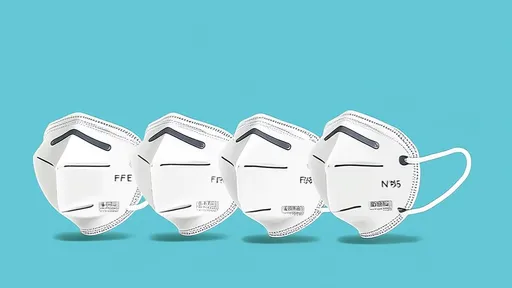
The most common types of medical masks include surgical masks, respirators (such as N95, FFP2, and KN95), and procedure masks. Surgical masks are designed to protect against large droplets and splashes, making them ideal for use in operating rooms. Respirators, on the other hand, offer a higher level of filtration, capturing smaller particles including viruses. The difference in protection levels stems from the materials used and the design of the mask, such as the presence of a tight seal.
In the United States, the National Institute for Occupational Safety and Health (NIOSH) regulates respirators, classifying them into categories like N95, N99, and N100. The "N" stands for "Not resistant to oil," while the number indicates the percentage of particles filtered. For instance, an N95 mask filters at least 95% of airborne particles. Similarly, the European FFP (Filtering Face Piece) standards include FFP1, FFP2, and FFP3, with FFP3 offering the highest level of protection.
Fluid resistance is another critical factor in determining a mask's protection level. Surgical masks are tested for their ability to resist penetration by synthetic blood at different velocities. This feature is particularly important for healthcare workers who may be exposed to bodily fluids during medical procedures. ASTM International provides standards such as ASTM F2100, which classifies masks into three levels based on fluid resistance, bacterial filtration efficiency, and differential pressure.
The breathability of a mask is often overlooked but is equally important. A mask that is difficult to breathe through may not be worn correctly or consistently, reducing its effectiveness. Standards like EN 14683 in Europe evaluate the breathability of surgical masks by measuring the pressure difference across the mask material. A balance between filtration efficiency and breathability is crucial for ensuring user compliance and comfort.
Choosing the right mask depends on the specific situation and risk level. For everyday use in low-risk environments, a standard surgical mask may suffice. However, in high-risk settings such as hospitals dealing with infectious diseases, respirators like N95 or FFP2 masks are recommended. It is also important to ensure that the mask fits properly, as gaps can significantly reduce its effectiveness.
The COVID-19 pandemic has highlighted the need for clear guidelines on mask usage. Misinformation and confusion about mask types have led to both shortages of high-protection masks and misuse of less effective ones. Public health organizations have worked to educate the public on the differences between mask types and their appropriate applications. For instance, the CDC has provided detailed recommendations on mask use for different scenarios, emphasizing the importance of matching the mask to the level of exposure.
Beyond filtration and fluid resistance, the durability of a mask is a key consideration. Reusable masks, such as elastomeric respirators, offer a sustainable alternative to disposable ones. These masks are made of durable materials and can be cleaned and reused, making them cost-effective for long-term use. However, they require proper maintenance to ensure continued protection.
In conclusion, the protection level of medical masks varies widely depending on their design, materials, and intended use. Understanding these differences is crucial for selecting the right mask for the right situation. Regulatory standards provide a framework for evaluating mask performance, but user compliance and proper fit are equally important. As the world continues to face health crises, the role of medical masks in infection control remains indispensable.

By /Jul 21, 2025

By /Jul 21, 2025

By /Jul 21, 2025

By /Jul 21, 2025
By /Jul 21, 2025

By /Jul 21, 2025
By /Jul 21, 2025

By /Jul 21, 2025

By /Jul 21, 2025

By /Jul 21, 2025

By /Jul 21, 2025

By /Jul 21, 2025

By /Jul 21, 2025

By /Jul 21, 2025

By /Jul 21, 2025

By /Jul 21, 2025
By /Jul 21, 2025

By /Jul 21, 2025
