In today's world where water quality concerns are growing, maintaining a home water filtration system has become more crucial than ever. The heart of any water purifier lies in its filters, and understanding when and why to replace them can mean the difference between enjoying clean, safe drinking water and unknowingly consuming contaminants. Many homeowners invest in high-quality filtration systems but often overlook the critical aspect of regular filter changes, compromising both water quality and appliance performance.
Understanding Filter Lifespans isn't as straightforward as marking a date on the calendar. Various factors influence how long your filters will effectively perform their job. The manufacturer's recommended replacement schedule serves as a baseline, but real-world conditions often dictate more frequent changes. Water quality in your area, the amount of water your household consumes, and even seasonal variations can all impact filter longevity. Some systems come with indicator lights or digital reminders, while others require manual tracking of usage or time elapsed since the last replacement.
The consequences of overdue filter changes extend beyond just reduced water quality. As filters reach their capacity, they become less effective at trapping contaminants, potentially allowing harmful substances to pass through. Moreover, accumulated debris and bacteria in saturated filters can actually become a source of contamination themselves. Water flow rate often decreases noticeably when filters are overdue for replacement, putting additional strain on your plumbing system and potentially damaging the filtration unit itself.
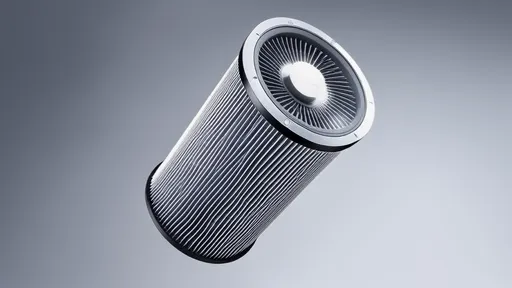
Different filter types have varying lifespans and replacement needs. Sediment filters, typically the first line of defense, usually require more frequent changes as they handle the bulk of particulate matter. Carbon filters, responsible for removing chemicals and improving taste, have a medium lifespan. Specialty filters like reverse osmosis membranes or UV purification components last longer but require precise timing for replacement to maintain effectiveness. Understanding the specific filters in your system and their individual replacement schedules is key to maintaining optimal performance.
Environmental factors play a significant role in determining actual filter life versus manufacturer estimates. Homes with hard water conditions will typically need more frequent filter changes due to mineral buildup. Areas with known water quality issues or higher contaminant levels may also shorten filter lifespan. Even something as simple as seasonal changes can impact filter performance - spring runoff or summer algae blooms might temporarily increase the load on your filtration system, necessitating earlier than expected replacements.
Developing a personalized replacement schedule requires some observation and record-keeping in the initial months of using your filtration system. Note any changes in water taste, odor, or appearance as indicators of declining filter performance. Keep track of your household's water consumption patterns and compare them to the manufacturer's gallon capacity ratings. Many modern systems include built-in monitoring technology, but even these benefit from occasional manual verification to ensure accuracy.
The financial aspect of filter replacement often causes hesitation among homeowners, but this is where preventative maintenance proves its value. While replacement filters represent an ongoing cost, they're significantly more affordable than repairing or replacing an entire filtration system damaged by neglected maintenance. Moreover, the health benefits of consistently clean water far outweigh the expense of regular filter changes. Many manufacturers offer subscription services or bulk purchase discounts that can help manage these ongoing costs.
Professional water testing can provide valuable insights into your filter's performance and help determine the ideal replacement schedule for your specific situation. While manufacturer guidelines provide a good starting point, water quality testing before and after filtration at different usage intervals can reveal exactly when your filters begin losing effectiveness. This data-driven approach eliminates guesswork and ensures you're changing filters precisely when needed - not too early, wasting money, nor too late, compromising water quality.
For households with special health considerations, such as immunocompromised individuals or infants, more conservative filter replacement schedules may be advisable. The margin for error shrinks when water quality directly impacts vulnerable populations. In these cases, erring on the side of more frequent changes provides an extra layer of protection against potential waterborne contaminants that might slip through as filters near the end of their effective lifespan.
Documenting your filter replacement history creates a valuable reference for future maintenance. A simple log noting replacement dates, any observed changes in water quality, and unusual circumstances (like known contamination events in your water supply) helps identify patterns and refine your replacement schedule over time. This historical data becomes particularly useful if you notice changes in your water supply's baseline quality or if household water usage patterns shift significantly.
Technological advancements in filter monitoring continue to simplify maintenance. Smart home integration now allows many systems to send replacement reminders directly to your phone, track water usage automatically, and even order replacement filters when needed. These innovations take much of the guesswork out of maintenance while ensuring consistent water quality. However, even with these technological aids, maintaining basic awareness of your system's performance and your household's water needs remains essential.
The relationship between filter replacement frequency and overall system longevity cannot be overstated. Just as regular oil changes protect a car's engine, timely filter replacements protect your water filtration system's critical components. Pump failures, membrane damage, and housing cracks often trace back to the increased strain caused by clogged or expired filters. Viewed from this perspective, filter replacements represent not just a maintenance cost but an investment in your system's long-term reliability.
Environmental responsibility forms another important consideration in filter replacement practices. While frequent changes ensure water quality, unnecessarily premature replacements contribute to waste. Striking the right balance between adequate protection and environmental stewardship involves understanding your specific water conditions and needs. Some filter types offer recycling programs, and proper disposal of used filters prevents contaminants they've collected from re-entering the environment.
Ultimately, developing and maintaining a consistent filter replacement routine serves as one of the simplest yet most effective ways to protect your household's water quality. Whether you rely on manufacturer guidelines, smart system alerts, or your own observations, staying attentive to your filtration system's needs ensures it can continue providing clean, safe water day after day. In a world where water quality concerns continue to grow, this routine maintenance takes on even greater importance for health-conscious households.

By /Jul 21, 2025
By /Jul 21, 2025

By /Jul 21, 2025
By /Jul 21, 2025
By /Jul 21, 2025

By /Jul 21, 2025
By /Jul 21, 2025
By /Jul 21, 2025
By /Jul 21, 2025

By /Jul 21, 2025
By /Jul 21, 2025
By /Jul 21, 2025

By /Jul 21, 2025

By /Jul 21, 2025

By /Jul 21, 2025
By /Jul 21, 2025
By /Jul 21, 2025

By /Jul 21, 2025
