The market for sports protective gear has exploded in recent years, with athletes and fitness enthusiasts alike seeking reliable equipment to prevent injuries. However, this surge in demand has also given rise to a flood of counterfeit products that mimic the appearance of reputable brands while failing to deliver on quality and safety. Distinguishing between genuine and fake sports gear has become a critical skill for consumers who prioritize both performance and protection.
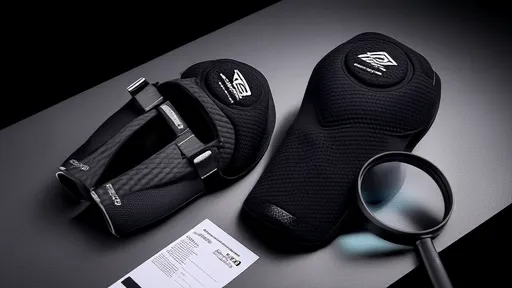
One of the most telling signs of authenticity lies in the craftsmanship of the product. Genuine sports protective equipment, whether it's knee braces, ankle supports, or wrist guards, is manufactured with precision. The stitching is even and durable, with no loose threads or irregular patterns. Counterfeit items often cut corners in production, resulting in sloppy seams or uneven padding. When examining a product, run your fingers along the edges and seams—authentic gear will feel smooth and consistent, while fakes may have rough or uneven finishes.
Materials used in construction play a pivotal role in determining authenticity. High-quality sports protective gear utilizes advanced fabrics and polymers designed to provide optimal support and breathability. For instance, genuine neoprene, commonly used in braces and supports, has a distinct texture and elasticity. Fake products may use cheaper rubber or synthetic blends that lack the same flexibility and durability. A simple stretch test can often reveal the difference—authentic materials will rebound smoothly, whereas counterfeit ones may deform or lose shape.
Another key indicator is the presence of proper branding and labeling. Reputable manufacturers invest significant resources into creating clear, legible logos and product information. Counterfeit items frequently display blurred or pixelated branding, misspelled words, or incorrect font styles. Additionally, authentic products typically include detailed sizing charts, care instructions, and safety certifications directly printed or woven into the material. Be wary of products with stickers or tags that appear hastily attached, as these are common tactics used by counterfeiters.
The packaging of sports protective gear can reveal much about its authenticity. Genuine products come in high-quality boxes or protective sleeves with crisp printing and accurate product descriptions. Many top brands incorporate holographic seals, serial numbers, or QR codes that can be verified through official websites. Counterfeit items often arrive in flimsy packaging with poor-quality printing or generic designs that don't match the brand's established aesthetic. Some may even lack proper packaging altogether, arriving in simple plastic bags without any protective padding.
Price point remains one of the most obvious red flags for counterfeit sports gear. While everyone appreciates a good deal, prices that seem too good to be true usually are. Authentic protective equipment from reputable brands carries a certain price tag that reflects the research, development, and quality materials invested in the product. Counterfeiters undercut these prices significantly to attract unsuspecting buyers. Remember that when it comes to protective gear, compromising on price often means compromising on safety.
Performance under stress separates genuine protective gear from fakes in practical use. Authentic products are rigorously tested to maintain their protective qualities during intense physical activity. They provide consistent support without shifting or losing shape, even after extended wear. Counterfeit items may initially appear similar but often fail during actual use—straps may loosen, padding may compress unevenly, or materials may irritate the skin. Many athletes report noticing the difference only after suffering preventable injuries while wearing fake gear.
The retailer's reputation plays a crucial role in ensuring authenticity. Authorized dealers and established sporting goods stores maintain direct relationships with manufacturers, guaranteeing genuine products. Be cautious when purchasing from unknown online marketplaces or third-party sellers offering significant discounts. Many brands provide lists of authorized retailers on their official websites, which can serve as a valuable resource before making a purchase. When buying online, scrutinize seller ratings and customer reviews, paying particular attention to complaints about product authenticity.
Warranty and customer support offerings often distinguish legitimate products from counterfeits. Reputable brands stand behind their products with generous warranty periods and responsive customer service teams ready to address any issues. Counterfeit items typically come with no warranty or fake warranty cards that lead to dead ends when customers attempt to make claims. Before purchasing, verify the brand's warranty policy and confirm that the seller is authorized to honor it. This extra step can save considerable frustration down the line.
Technological features present in modern sports protective gear are nearly impossible for counterfeiters to replicate accurately. Many high-end braces and supports now incorporate smart technology, such as moisture-wicking fabrics with antimicrobial properties or impact-absorbing materials with memory foam characteristics. These advanced features require precise engineering and quality materials that counterfeit operations cannot duplicate. When examining a product, research the specific technologies the brand claims to use and verify their presence in the item you're considering.
Ultimately, protecting yourself from counterfeit sports gear requires vigilance and research. The consequences of wearing fake protective equipment extend beyond wasted money—they can lead to serious injuries that proper gear might have prevented. By understanding the subtle differences between genuine and counterfeit products, consumers can make informed decisions that prioritize safety and performance. Remember that when it comes to sports protective gear, authenticity isn't just about brand loyalty—it's about physical well-being.
By /Jul 21, 2025
By /Jul 21, 2025

By /Jul 21, 2025

By /Jul 21, 2025
By /Jul 21, 2025
By /Jul 21, 2025
By /Jul 21, 2025
By /Jul 21, 2025
By /Jul 21, 2025

By /Jul 21, 2025

By /Jul 21, 2025

By /Jul 21, 2025

By /Jul 21, 2025

By /Jul 21, 2025
By /Jul 21, 2025
By /Jul 21, 2025
By /Jul 21, 2025

By /Jul 21, 2025
