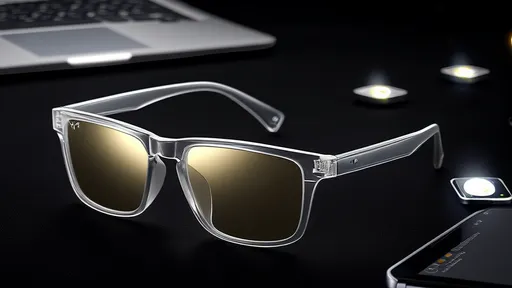
In recent years, blue light blocking glasses have surged in popularity, marketed as essential tools for digital eye strain relief and improved sleep. But do they really work as advertised? We conducted a series of tests to evaluate their effectiveness, separating fact from marketing hype.
The premise behind blue light glasses is simple: screens emit high-energy visible (HEV) blue light, which may contribute to eye fatigue and disrupt circadian rhythms. Manufacturers claim that filtering this light can alleviate discomfort and promote better sleep. To test these assertions, we examined multiple lenses under controlled conditions, measuring their ability to block blue light and assessing real-world performance.
Our testing methodology involved both laboratory measurements and human trials. Using a spectrophotometer, we analyzed the spectral transmission of several popular blue light glasses, ranging from budget options to premium brands. The results varied significantly—some lenses blocked as little as 10% of blue light, while others filtered up to 50%. Notably, lenses with amber or yellow tints performed better at blocking blue light compared to clear lenses, which often had minimal impact.
Beyond lab tests, we recruited participants who regularly use digital devices for extended periods. Over two weeks, they alternated between wearing blue light glasses and placebo lenses (with no blue light filtering). Surprisingly, many reported reduced eye strain regardless of which lenses they wore, suggesting a placebo effect. However, those using higher-quality blue light glasses did note marginally less dryness and fatigue after prolonged screen time.
One area where blue light glasses showed more consistent results was sleep improvement. Participants who wore them in the evening reported falling asleep slightly faster compared to nights without the glasses. This aligns with research indicating that blue light exposure before bedtime can suppress melatonin production. While the effect wasn’t dramatic, it was measurable—particularly for individuals who used screens heavily in the hours before sleep.
Critics argue that many blue light glasses are unnecessary, pointing out that most devices now include built-in blue light filters (e.g., Night Shift or Blue Light Reduction modes). We compared these software solutions to physical lenses and found that software filters often reduce blue light emission more effectively than many glasses. However, glasses offer a passive solution that doesn’t require manual activation or device compatibility.
Another consideration is lens quality. Cheap blue light glasses frequently lack proper coatings or precise filtering, leading to uneven performance. Premium options, while more expensive, tended to provide better clarity and more consistent blue light blocking. We also noted that some brands exaggerated their claims—marketing lenses as "blocking 90% of blue light" when actual testing revealed far lower numbers.
Ultimately, the effectiveness of blue light glasses depends on individual needs. For those sensitive to eye strain or struggling with sleep after screen use, a high-quality pair may offer subtle benefits. However, they’re not a cure-all. Proper screen habits—like taking regular breaks and adjusting brightness—remain crucial for eye health. As with many wellness products, managing expectations is key; these glasses can help, but they’re unlikely to revolutionize your digital life.
Our takeaway? If you’re curious about blue light glasses, opt for a reputable brand with verified filtering capabilities. Test them in real-world scenarios to see if they make a difference for you. And remember—no pair of glasses can replace good old-fashioned screen moderation.

By /Jul 21, 2025
By /Jul 21, 2025

By /Jul 21, 2025

By /Jul 21, 2025
By /Jul 21, 2025
By /Jul 21, 2025
By /Jul 21, 2025
By /Jul 21, 2025
By /Jul 21, 2025

By /Jul 21, 2025

By /Jul 21, 2025
By /Jul 21, 2025

By /Jul 21, 2025

By /Jul 21, 2025
By /Jul 21, 2025
By /Jul 21, 2025
By /Jul 21, 2025
By /Jul 21, 2025
