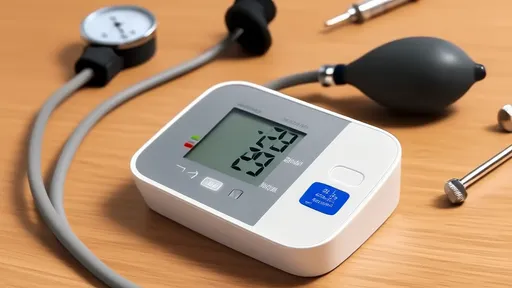
In an era where health monitoring has increasingly shifted to the home environment, the accuracy of personal medical devices has never been more critical. Among these, home blood pressure monitors stand out as essential tools for millions managing hypertension or cardiovascular conditions. However, what many users fail to recognize is that these devices require regular calibration to maintain their precision. Unlike professional medical equipment that undergoes stringent quality checks, consumer-grade monitors can drift out of specification over time, potentially leading to dangerous misinterpretations of one's health status.
The process of calibration involves comparing the readings from your personal device against a known standard - typically a professionally maintained and certified sphygmomanometer. This verification should ideally be performed annually or whenever you suspect the device might be providing inconsistent results. Many users make the mistake of assuming their monitor remains accurate indefinitely after purchase, not realizing that factors like mechanical wear, battery fluctuations, or even changes in environmental conditions can affect performance.
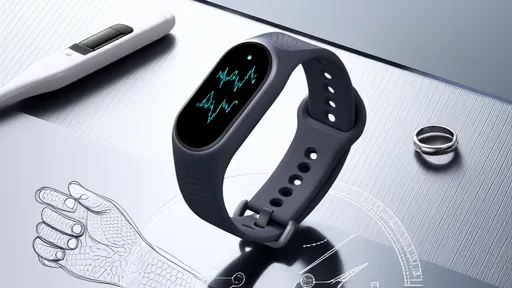
Understanding the calibration process begins with recognizing the different types of home blood pressure monitors available. The most common varieties include upper arm cuffs and wrist-mounted devices, each with their own calibration considerations. Upper arm models generally provide more reliable readings when properly calibrated, as they measure pressure closer to the heart. Wrist devices, while convenient, are more susceptible to positioning errors and often require more frequent calibration checks due to their sensitivity to measurement technique.
Professional calibration services exist through many medical equipment suppliers and some pharmacies, though availability varies by region. These services use specialized equipment to test your device across its entire pressure range, not just at a single point. Some manufacturers also offer calibration services for their own branded devices, which can be particularly valuable as they have access to proprietary adjustment protocols. For those in areas without easy access to such services, periodic comparison checks at a doctor's office can serve as a reasonable alternative, though this method lacks the precision of professional calibration equipment.
The consequences of using an uncalibrated blood pressure monitor can be significant. False high readings may lead to unnecessary anxiety or overtreatment, while false lows could provide dangerous false reassurance. Studies have shown that measurement errors as small as 5 mmHg can significantly impact clinical decisions. For individuals managing medication dosages based on home readings, such inaccuracies could potentially lead to improper treatment adjustments with serious health implications.
Several factors influence how often calibration becomes necessary. Devices used multiple times daily will naturally experience more wear than those used occasionally. Environmental conditions like humidity and temperature extremes can affect electronic components over time. Even proper storage plays a role - monitors kept in damp bathrooms or subjected to frequent impacts may lose accuracy more quickly. The quality of the device itself also matters, with higher-end models typically maintaining calibration longer than budget options.
When preparing for calibration, users should ensure their device is in proper working condition. Check for any visible damage to the cuff or tubing, ensure batteries are fresh (or use AC power if available), and verify that the display functions correctly. These preliminary checks help avoid attributing calibration issues to simple maintenance oversights. Some modern devices include self-test functions that can identify obvious problems before professional calibration is attempted.
The actual calibration procedure varies by device type and technology. Traditional oscillometric monitors require different calibration approaches than newer technologies like pulse wave analysis devices. Professional calibration technicians use pressurized chambers that simulate various blood pressure scenarios while comparing the device's readings against precision reference instruments. This process typically takes about 30-60 minutes and results in either adjustment of the device or a report detailing its measurement variance.
For those who rely heavily on home monitoring, maintaining a calibration log proves invaluable. This record should include dates of calibration, the service provider, any adjustments made, and the measured variance before and after service. Such documentation not only helps track the device's performance over time but also provides valuable information for healthcare providers interpreting the home readings. In some cases, insurance providers may require proof of regular calibration to cover certain treatments based on home monitoring data.
Emerging technologies may eventually reduce calibration needs, but currently remain unproven for critical applications. Some manufacturers are experimenting with self-calibrating algorithms and more stable sensor technologies. However, until these innovations undergo extensive clinical validation, traditional calibration methods remain the gold standard. The medical community generally agrees that even the most advanced consumer devices still require periodic verification against professional standards.
Cost considerations often deter users from regular calibration, with professional services typically ranging from $50-$150 depending on the device and location. However, when weighed against the potential costs of undetected hypertension or improper medication management, this investment proves negligible. Some health savings accounts or insurance plans may cover calibration services when deemed medically necessary, particularly for patients with specific cardiovascular conditions.
The growing popularity of home blood pressure monitoring makes proper calibration a public health concern. As more individuals make medical decisions based on these devices, ensuring their accuracy becomes paramount. Medical associations increasingly recommend including calibration checks in routine healthcare maintenance, similar to regular dental cleanings or vision exams. This shift in perspective could significantly improve hypertension management outcomes across populations.
Ultimately, treating a home blood pressure monitor like any other precision medical instrument yields the best results. Regular calibration, proper maintenance, and awareness of the device's limitations create a foundation for reliable health monitoring. In an age where personal health data drives more clinical decisions than ever before, taking these steps ensures that the numbers guiding your healthcare truly reflect your physiological reality.

By /Jul 21, 2025
By /Jul 21, 2025

By /Jul 21, 2025

By /Jul 21, 2025
By /Jul 21, 2025

By /Jul 21, 2025
By /Jul 21, 2025
By /Jul 21, 2025
By /Jul 21, 2025

By /Jul 21, 2025

By /Jul 21, 2025

By /Jul 21, 2025

By /Jul 21, 2025

By /Jul 21, 2025
By /Jul 21, 2025
By /Jul 21, 2025
By /Jul 21, 2025

By /Jul 21, 2025
